

The Story of Santa Claus in Finland: Where Legend Meets the Arctic
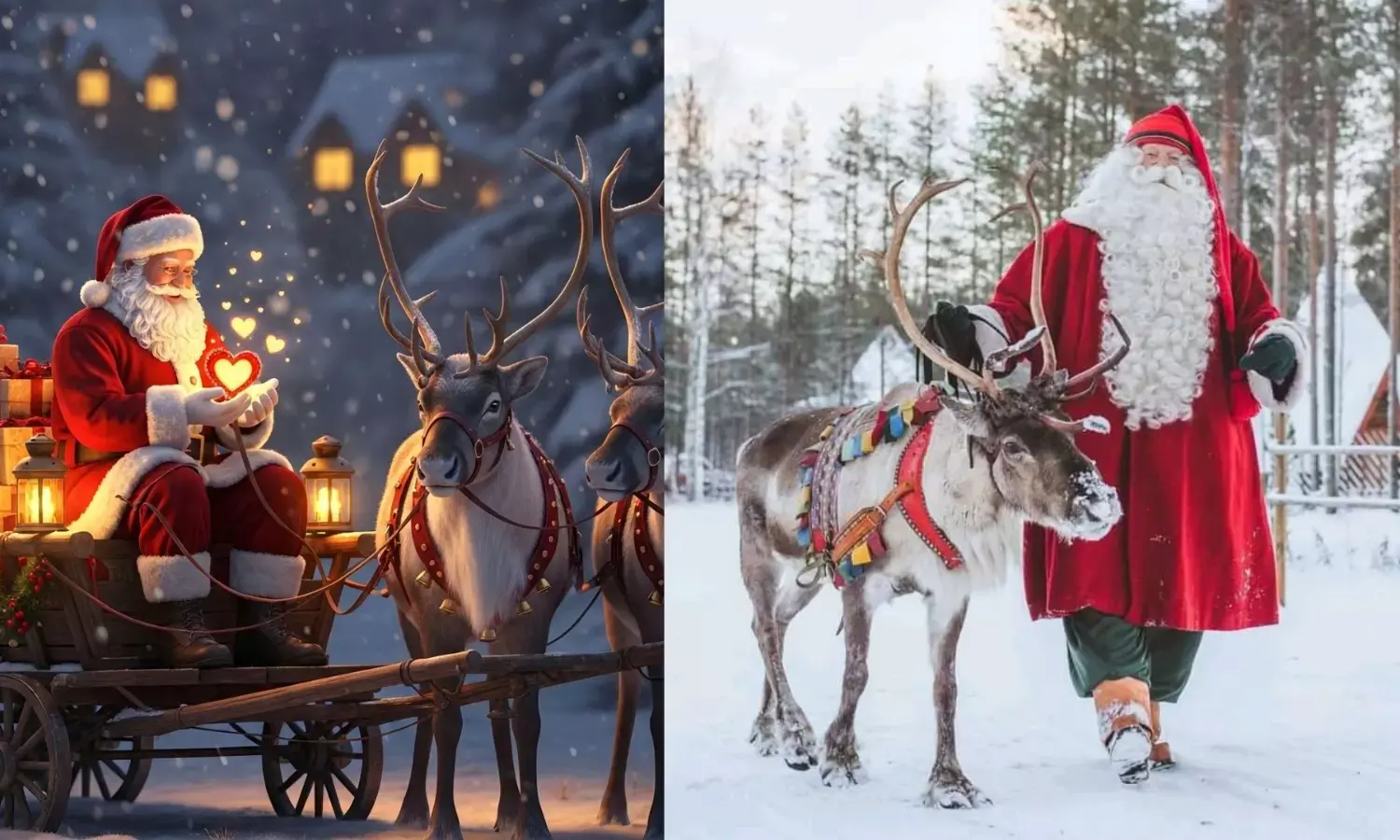
When people around the world imagine Santa Claus, many picture a cheerful man in a red suit traveling through snow with reindeer. But in Finland, Santa Claus is more than a festive character — he is a deeply rooted cultural figure whose story blends ancient folklore, northern nature, and timeless values. According to Finnish tradition, Santa Claus truly lives in Lapland, in the far north of the country, close to the Arctic Circle.
The Origin of Santa in Finnish Tradition
In Finland, Santa Claus is known as Joulupukki, a name that dates back centuries. The word originally meant “Yule Goat,” a mythical figure associated with winter celebrations long before Christmas as we know it today. In early folklore, the Yule Goat was believed to roam villages during the darkest time of the year, symbolizing the spirit of winter and the end of the old year.
As Christianity spread across Northern Europe, the legend of Saint Nicholas, a kind and generous bishop known for helping children and the poor, slowly merged with local traditions. Over time, Joulupukki evolved from a folklore creature into a warm, human figure who brought gifts, kindness, and joy. This transformation created the Finnish version of Santa Claus — wise, humble, and deeply connected to nature.
Lapland: Santa’s Home
Finland believes that Santa Claus lives in Korvatunturi, a remote mountain in Lapland near the eastern border. The name Korvatunturi translates to “Ear Mountain,” and folklore says its shape allows Santa to hear the wishes of children from all over the world. The location is said to be secret and protected, ensuring that Santa can work peacefully with his helpers.
In modern times, the city of Rovaniemi, also in Lapland, became known as Santa Claus’s official hometown. This recognition grew after the mid-20th century, when Finland began sharing its Santa traditions with the world. Today, Rovaniemi stands on the Arctic Circle and is widely celebrated as the place where visitors can meet Santa year-round.
Santa’s Elves and the Spirit of Work
No story of Santa in Finland is complete without his elves, known as tontut. These elves are portrayed as hardworking, loyal, and gentle beings who assist Santa throughout the year. They help read letters from children, prepare gifts, and maintain the peaceful rhythm of life in Lapland.
Unlike strict moral judges, Finnish elves are guides rather than enforcers. Their role reflects an important Finnish value: encouraging good behavior through trust, responsibility, and care rather than fear or punishment.
Reindeer, Nature, and Arctic Magic
Reindeer play a central role in the Finnish Santa legend, and this connection feels natural in Lapland, where reindeer are an everyday part of life. The vast snowy landscapes, long winter nights, and glowing Northern Lights create an atmosphere that feels magical even without myths.
According to tradition, the Arctic environment itself gives Santa’s reindeer their special abilities. The silence of the snow, the purity of the cold air, and the shimmering lights of the sky form the perfect setting for a story that travels far beyond Finland’s borders.
Letters from Around the World
Every year, Santa Claus in Finland receives hundreds of thousands of letters from children across the globe. These letters arrive at Santa’s Main Post Office in Rovaniemi, where they are carefully sorted and answered with the help of elves. Each reply carries a special Arctic Circle stamp, making it a treasured memory for children and families.
This tradition reflects Finland’s belief that Santa belongs not just to one country, but to the entire world.
How Santa Is Celebrated in Finland
One of the most distinctive aspects of the Finnish Santa tradition is how Christmas Eve is celebrated. In many Finnish homes, Santa personally visits families rather than delivering gifts secretly at night. He knocks on the door and asks, “Are there any good children here?” before handing out presents.
This moment emphasizes togetherness, honesty, and shared joy — values that are central to Finnish culture.
More Than a Myth
In Finland, Santa Claus is not merely a holiday symbol. He represents kindness during dark winters, hope during long nights, and generosity without expectation. His story is closely tied to the land, the seasons, and the idea that even in the coldest places, warmth can exist.
Conclusion
The story of Santa Claus in Finland is a unique blend of ancient folklore, Christian influence, Arctic nature, and human values. From the old legend of Joulupukki to the modern image of Santa in Lapland, this story has grown quietly and authentically over centuries. Finland’s Santa reminds the world that the true magic of Christmas lies not in extravagance, but in kindness, humility, and connection.